
With the continuous development of the aluminum alloy die-casting industry, aluminum alloy castings, due to their good fluidity and plasticity, are widely used in various metal manufacturing fields. However, during production or storage, blackening often occurs on the surface of castings. What causes this? The following is an analysis of common causes from a professional perspective:
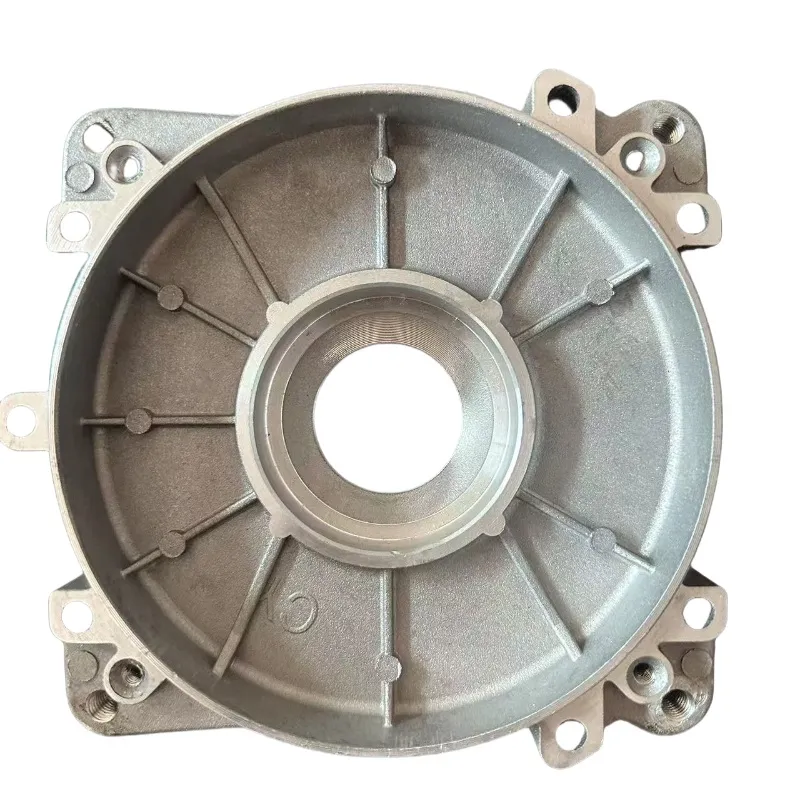
If die-cast parts are not adequately dried and protected after cleaning or inspection, residual moisture or contaminants on the surface will create conditions for mold and oxidation, thus accelerating blackening.
The humidity, temperature, and stacking method of the warehouse environment all affect the preservation condition of castings. In particular, differences in ventilation and humidity conditions in storage areas at different heights and locations can directly lead to some castings being more prone to blackening.
Many die-casting companies only perform simple rinsing or fail to thoroughly clean after production, resulting in corrosive chemical residues such as release agents, cutting fluids, and saponification liquids adhering to the casting surface. These residues gradually induce corrosion, accelerating the oxidation and blackening process.
Aluminum is a reactive metal and is highly susceptible to oxidation under certain temperature and humidity conditions, forming an oxide layer and even mold spots on the surface. This is determined by the inherent properties of the material, and is especially pronounced in humid, poorly ventilated environments.
Using highly corrosive or non-compliant cleaning agents not only fails to effectively clean the surface but also causes chemical corrosion to the aluminum alloy, leading to surface deterioration and accelerated blackening.
In summary, blackening of aluminum alloy die-cast parts is often the result of multiple factors working together. To effectively avoid this problem, it is essential to implement a systematic anti-oxidation management approach, from thorough cleaning and complete drying after production, to strict control of the storage environment, and the selection of appropriate cleaning and protective agents. Only by paying attention to every detail can the lifespan of the castings be truly extended and their surface quality maintained. Choosing a reliable aluminum casting factory is crucial; please contact us-Losier Technology Development Co., Ltd.


