
Hot forged stainless steel machinery parts are essential components in modern industrial manufacturing, offering superior strength, durability, and resistance to corrosion. This comprehensive guide explores the advantages, manufacturing process, applications, and selection criteria of hot forged stainless steel machinery parts. It also highlights how companies like Losier integrate advanced forging technologies to deliver high-performance solutions across industries.
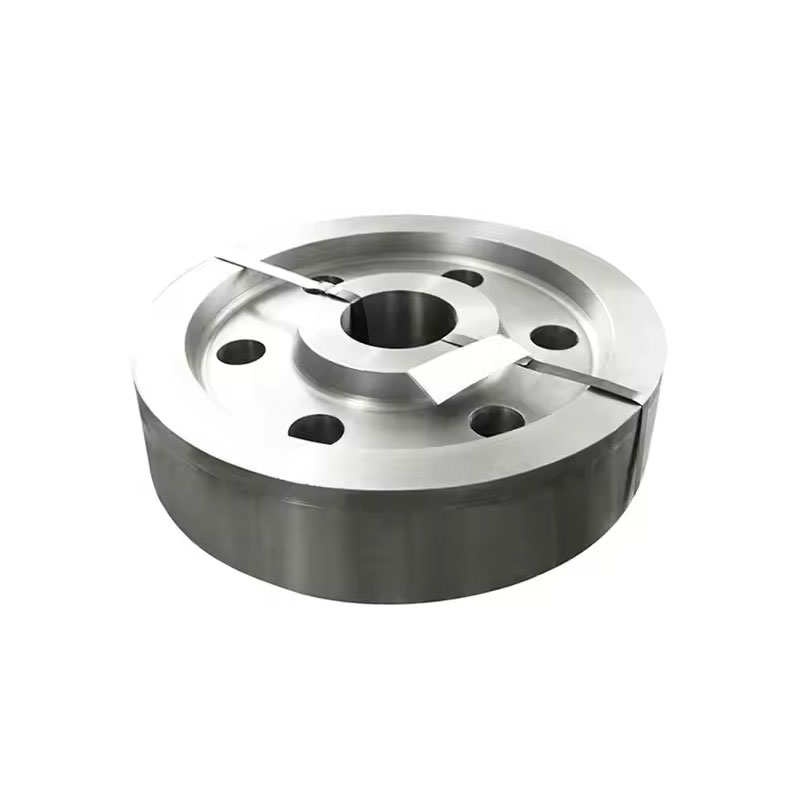
Hot forged stainless steel machinery parts are components formed by heating stainless steel above its recrystallization temperature and shaping it under high pressure. This process refines the grain structure, resulting in parts with exceptional mechanical properties.
Unlike casting or machining, hot forging enhances the internal integrity of the material, making it ideal for high-stress applications. These parts are widely used in industries requiring strength, reliability, and corrosion resistance.
Hot forging offers several advantages compared to alternative manufacturing techniques such as casting or CNC machining.
Manufacturers like Losier leverage these advantages to produce parts that meet strict industrial requirements.
This controlled process ensures consistency and high performance in every component.
These benefits make hot forged parts indispensable in critical engineering systems.
Hot forged stainless steel machinery parts are used in:
Companies such as Losier serve diverse industries by providing customized forging solutions tailored to specific operational needs.
| Grade | Key Features | Applications |
|---|---|---|
| 304 | Excellent corrosion resistance | Food equipment, piping |
| 316 | Superior chemical resistance | Marine, chemical industry |
| 410 | High strength, moderate corrosion resistance | Valves, fasteners |
| 420 | High hardness | Cutting tools |
| Process | Strength | Cost | Precision | Best Use |
|---|---|---|---|---|
| Hot Forging | High | Medium | Medium | High-stress parts |
| Casting | Medium | Low | Low | Complex shapes |
| Machining | High | High | High | Precision components |
Ensuring quality in hot forged parts involves strict adherence to international standards such as:
Leading manufacturers like Losier implement rigorous quality assurance systems to guarantee reliability and consistency.
Partnering with a trusted supplier ensures optimal product performance and long-term value.
The integration of digital technologies is transforming the forging industry, enabling higher efficiency and sustainability.
Hot forging improves the internal grain structure, resulting in stronger and more durable parts.
Yes, especially when using grades like 304 and 316, which offer excellent corrosion resistance.
Hot forging provides higher strength and reliability, while casting is better for complex shapes.
Absolutely. Manufacturers like Losier offer tailored solutions based on specific requirements.
Industries such as automotive, aerospace, oil & gas, and construction benefit significantly.
Hot forged stainless steel machinery parts play a critical role in modern engineering by delivering unmatched strength, durability, and efficiency. As industries continue to demand higher performance and reliability, the importance of advanced forging technologies becomes increasingly evident.
With extensive expertise and cutting-edge manufacturing capabilities, Losier stands out as a trusted partner in delivering high-quality forged components tailored to your needs.
Looking to enhance your machinery performance with premium hot forged stainless steel parts? Contact us today to discover customized solutions that drive efficiency, reliability, and long-term value for your business.


