
Automotive programs live or die on repeatability: consistent dimensions, reliable mechanical properties, stable cost, and on-time delivery. Yet “simple” cast parts often turn into schedule risks because of porosity, warpage, cosmetic rejects, late tool changes, or unclear inspection data. This guide breaks down how Automotive Part Casting works in real production, how to choose the right casting route, and what controls actually prevent defects (instead of only sorting them out at the end). You’ll get a buyer-friendly comparison table of major casting processes, practical design and material tips, and a supplier checklist you can use immediately—whether you’re sourcing brackets, housings, manifolds, flanges, covers, or structural components. The goal is straightforward: fewer surprises, fewer revisions, and a smoother path from prototype to stable mass production.
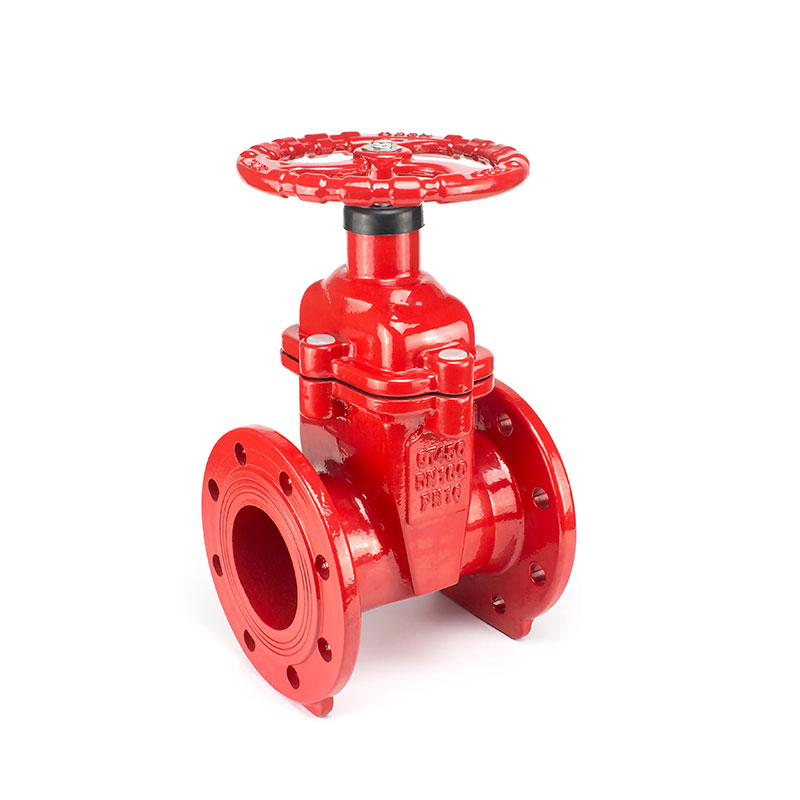
Automotive Part Casting is the production of metal components by melting an alloy and forming it into a near-net shape using a mold. Compared with machining a part from solid stock, casting can reduce material waste, enable complex internal geometry, and lower total cost for certain shapes—especially when you need ribs, bosses, cavities, or weight-saving features.
In automotive applications, cast parts often need to balance three goals at once:
That “balance” is exactly where many projects get stuck. A casting that looks fine on a drawing can become difficult when wall thickness changes too abruptly, the alloy choice fights your required properties, or the process is mismatched to your annual volume.
There isn’t one best casting method—there’s only the best match for your part’s geometry, volume, tolerance needs, and material. Below is a practical comparison you can use during early sourcing to align expectations before you spend on tooling.
| Process | Best For | Typical Strengths | Common Tradeoffs | Typical Use Examples |
|---|---|---|---|---|
| Sand Casting | Low to medium volume, larger parts, flexible changes | Lower tooling cost, wide alloy range, scalable for prototypes | Rougher surface, wider tolerances, more machining often needed | Housings, brackets, larger iron/aluminum components |
| Die Casting | Medium to high volume, aluminum/zinc, thin walls | Fast cycles, good surface finish, consistent dimensions | Higher tooling cost, alloy limits, porosity control is critical | Gearbox covers, motor housings, structural supports |
| Investment Casting | Complex shapes, tight detail, premium surface needs | Excellent detail, smoother surfaces, near-net shapes | Higher unit cost, longer lead time, size limitations | Precision brackets, linkages, specialty stainless parts |
| Lost Foam Casting | Complex cavities, reduced parting lines | Good complexity potential, fewer cores in some designs | Process control sensitivity, dimensional variation if unmanaged | Engine-related castings, complex housings |
A quick rule of thumb: if your program needs very high annual volume and stable dimensions, die casting may be attractive—but only if the supplier can demonstrate robust porosity control and process monitoring. If you need flexibility, broader alloy choice, or a lower tooling commitment, sand casting is often the more forgiving path.
Most sourcing frustration comes from the same handful of problems. The good news is that each has clear prevention tactics—if you build them into the project early.
If you’re dealing with a pressure-tight part (coolant passages, oil circuits, sealed housings), treat leak prevention as a design-and-process requirement from day one. Sorting for porosity after the fact is expensive and unreliable.
The fastest way to reduce casting cost is not negotiating piece price—it’s designing out avoidable risk. Here are practical rules that consistently lower scrap and shorten the path to stable production.
Material selection should start with function, then translate into castability and supply stability. For example, aluminum alloys can be excellent for weight reduction and thermal performance, while iron and steel castings often win for wear resistance, damping, or high-load durability. The best suppliers will ask you how the part fails in real life (fatigue, corrosion, thermal cycling, impact), then propose an alloy and heat treatment strategy that matches that failure mode.
If your application is sensitive to fatigue or thermal cycling, ask early about microstructure control, heat treatment options, and how the supplier verifies consistency across batches. Consistency is the difference between a part that passes tests and a part that survives years of road reality.
A reliable Automotive Part Casting program is built on process control, not final inspection heroics. Final inspection is important, but it cannot “fix” defects created upstream. Here’s what you should expect from a serious supplier.
Cangzhou Losier Technology Development Co., Ltd. supports customers who need cast components that behave consistently in assembly and in service. In practice, that means aligning expectations early (process capability, inspection methods, documentation package), then running production with disciplined controls so the part you approve is the part you keep receiving.
Use the checklist below when you compare quotes. It helps you separate “cheap on paper” from “safe in production.”
If a supplier cannot show you what “good” looks like in documentation and control methods, they’re asking you to trust hope. Automotive programs deserve better than hope.
Here’s a practical workflow that reduces rework and shortens the time to stable production. You can use it as a template for your internal project plan or RFQ expectations.
When you follow this structure, you’re not “slowing down”—you’re preventing the late-stage surprises that actually destroy timelines.
Q: What makes Automotive Part Casting different from general industrial casting?
A: Automotive applications typically demand higher repeatability, tighter dimensional consistency, and more rigorous documentation. The part must assemble smoothly and perform reliably over long service life, often under heat, vibration, and corrosion exposure.
Q: Which casting process is best for high-volume automotive parts?
A: High-volume programs often lean toward die casting or other high-throughput methods, but “best” depends on the alloy, thickness, structural requirements, and defect tolerance. Volume alone should not override functional risk like leak-tightness or fatigue.
Q: How can I reduce porosity risk if the part needs to be pressure-tight?
A: Start with a process route suited to sealing requirements, then specify the right validation method (pressure testing and/or X-ray for critical zones). Preventing porosity upstream through melt cleanliness and controlled venting is usually more effective than sorting later.
Q: Should I cast holes and threads to avoid machining cost?
A: Sometimes, but not always. Precision features that affect assembly alignment or sealing often perform better when machined. A smart approach is to cast near-net features and machine critical interfaces for consistency.
Q: What tolerance should I expect from cast parts?
A: Tolerance capability depends heavily on the process, part size, geometry, and how much machining is planned. The safest approach is to identify critical dimensions and verify capability using real sample data rather than assumptions.
Q: What documentation should I request when sourcing?
A: At minimum: material certificates, dimensional inspection reports, and a clear inspection plan. For higher-risk programs, add defect inspection methods, traceability practices, and structured corrective action expectations.
Q: Why do cast parts sometimes warp after machining?
A: Residual stress and uneven material removal can cause movement. Good workflows manage cooling, design thickness transitions, and plan machining steps to minimize stress release at the wrong time.
Q: How do I compare quotes fairly across different suppliers?
A: Ensure all suppliers are quoting the same scope: alloy, heat treatment, inspection level, machining steps, surface requirements, packaging, and documentation. The lowest piece price often changes once those items are clarified.
Q: What’s a realistic way to prevent late tooling rework?
A: Freeze critical interfaces early, run a structured design-for-casting review, and set a change-control rule for gating/cores/fixtures. Most “surprises” are preventable when review happens before tooling is finalized.
If you’re sourcing a new Automotive Part Casting program—or trying to stabilize an existing one—start by defining your critical risks (leaks, fatigue, dimensional stack-up, cosmetics, ramp timing). Then match the casting method, material, and inspection plan to those risks so you’re building quality into the process instead of trying to inspect it into existence.
For technical discussion, sample planning, or a quote aligned to your drawings and approval needs, contact us at Cangzhou Losier Technology Development Co., Ltd. and we’ll help you turn requirements into a stable, repeatable casting solution.


