
Construction and Building Hardware Casting sits at an awkward intersection of “small parts” and “big consequences.” A single out-of-tolerance bracket, porous anchor base, or poorly coated connector can trigger site delays, rework, safety concerns, and warranty headaches—especially when hardware is exposed to weather, vibration, and long service cycles. This guide breaks down what to verify, what to ask suppliers, and how to set practical acceptance criteria that protect your schedule and your reputation.
Buyers often struggle with inconsistent casting quality, hidden defects, corrosion issues, unclear inspection standards, and long lead times—yet they still need dependable construction hardware that installs smoothly and performs for years. This article explains how to evaluate materials, casting methods, dimensional control, surface treatments, and quality checks for construction hardware castings. You’ll also get a procurement checklist, a ready-to-use comparison table, and an FAQ to help you reduce risk and avoid costly surprises.
In construction, “good enough” parts often become expensive problems because installation time is more valuable than the part itself. The most common pain points buyers report are not just about part strength—they’re about predictability.
If holes don’t line up, edges aren’t deburred, or mating surfaces aren’t flat, installers improvise. That can lead to elongated holes, forced alignment, extra shims, or outright replacement. The cost multiplier can be brutal: labor, equipment idle time, rescheduling, and inspection hold points.
Construction hardware is frequently exposed to rain, coastal air, chemical splash, concrete alkalinity, or dissimilar-metal contact. A finish that looks fine at delivery may fail quickly if coating thickness, pretreatment, or material selection is wrong.
Many buyers can handle one-off issues; what breaks trust is variability between batches. If your first shipment installs perfectly and the second shipment has random dimensional drift or surface defects, your inventory becomes a gamble.
Even when parts are physically acceptable, missing inspection records, unclear grade markings, or no traceability can stop a project in its tracks—especially for regulated builds, public tenders, or safety-critical structures.
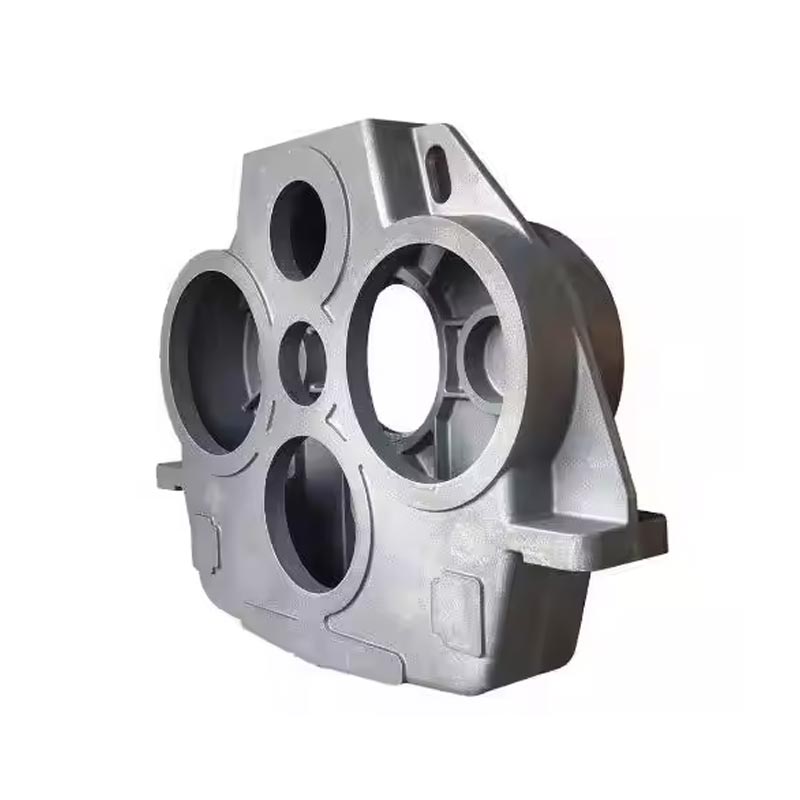
Construction and Building Hardware Casting can cover a wide range of parts. Casting is often chosen when geometry is complex, when you need robust sections, or when you want cost-effective production at scale.
The key is to match the casting approach to your functional needs: load path, installation method, environment, and required finish.
Material selection is where many procurement mistakes begin—usually because “strong enough” is interpreted without considering environment and failure mode.
Often used when strength and toughness are needed and you plan to apply protective coatings. Great for general construction hardware, especially when you can control surface treatment quality.
More resistant to corrosion, but not automatically “maintenance-free.” Grade choice matters, and so does surface condition. Stainless is commonly selected for coastal projects, food-related facilities, chemical exposure areas, and architectural hardware that must stay visually clean.
Iron castings can be cost-effective for compressive loads, stable shapes, and vibration-damping needs. Ductile iron provides better toughness than gray iron. Where impacts or bending loads exist, ductile iron is generally preferred.
Useful when weight reduction matters and loads are moderate. Many architectural and facade-related components use aluminum, but you’ll want to verify galvanic compatibility and finishing needs.
Buyer tip: Ask the supplier to recommend material based on: load case, installation torque, expected temperature range, and exposure (coastal, industrial, indoor, underground). If the supplier can’t discuss these clearly, that’s a risk signal.
Not all casting routes behave the same in dimensional stability, surface quality, and defect risk. Understanding the basics helps you specify smarter and avoid overpaying.
Flexible for larger parts and complex shapes with lower tooling cost. Surface finish can be rougher, and tighter tolerances may require machining. Best when you need robust geometry and cost control.
Excellent for fine detail, smoother surfaces, and more consistent dimensions. Tooling and per-part costs can be higher, but it may reduce machining and improve assembly fit.
Common for non-ferrous metals (often aluminum or zinc). Great for high-volume production and good surface finish. Not always suitable for heavy structural loads unless designed carefully.
For construction hardware, the “best” process is usually the one that delivers consistent fit and corrosion performance at your required volume—not the one with the lowest per-unit quote.
Dimensional problems are the fastest way to turn a cheap part into a schedule disaster. The trick is to specify tolerances that matter, not to demand unrealistic perfection everywhere.
If your part must align precisely, include machining on the functional surfaces. Casting alone can be consistent, but machining is what locks in repeatable fit for many assemblies.
Instead of debating microscopic measurements on every feature, ask for functional gauges or a basic fit test sample. If a supplier can demonstrate repeatable assembly, you reduce arguments later.
Defects aren’t always visible at delivery—and that’s exactly why they become costly. Here are the defects buyers should watch for in Construction and Building Hardware Casting projects.
These can weaken parts or cause coating failures (bubbles, blistering). Ask whether the supplier uses process controls (gating/risering design, melt management) and whether critical parts are checked using appropriate methods.
Often linked to poor metal flow or thermal stress. These can be catastrophic in service. For safety-related hardware, insist on sensible inspection sampling and clear rejection criteria.
Even if the part is “within tolerance” in isolation, distortion can ruin assembly. This is where a fixture-based inspection or functional fit check can save you.
Can interfere with coating adhesion and long-term corrosion resistance. Surface preparation and cleaning steps matter as much as the casting itself.
Many buyers focus on thickness and forget the process chain that makes the coating last. If your hardware lives outdoors, this section is not optional.
Reality check: “Thicker coating” is not a magic fix if pretreatment is poor. Adhesion failures usually start with inadequate cleaning, wrong conversion coating, poor cure control, or contamination during handling.
You don’t need a 40-page inspection book to buy safer. You need a few clear checkpoints that match the risk of the part.
The goal is not paperwork for its own sake—it’s reducing uncertainty so every shipment behaves like the approved sample.
| Pain Point | What It Causes | What to Ask For | Practical Acceptance Criteria |
|---|---|---|---|
| Holes don’t align | Installation delays, rework | Critical dimension list + fit test | Sample assembles with standard bolts without forcing |
| Porosity under coating | Blistering, corrosion complaints | Process control explanation + inspection sampling | No visible bubbles after finish; defined reject zones |
| Batch inconsistency | Unpredictable inventory | First-article approval + repeat inspection plan | Key dimensions stay within agreed limits across lots |
| Coating fails early | Rust, warranty issues | Finish process details + thickness checks | Coating thickness meets target; adhesion passes agreed method |
| Sharp edges/burrs | Safety hazards, handling issues | Deburr requirement + visual standard | No sharp edges on touch points; consistent edge break |
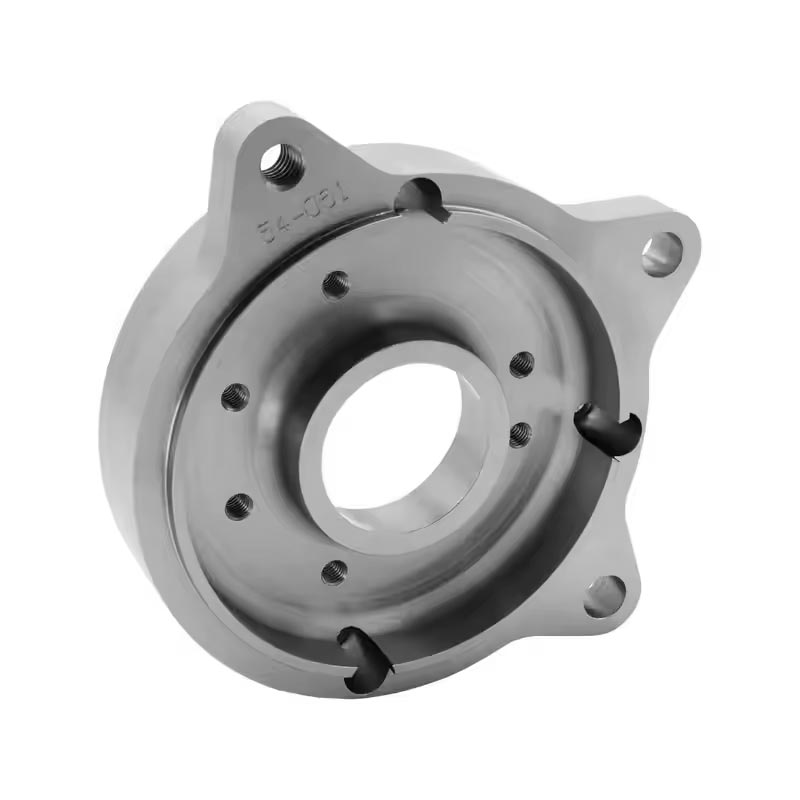
If you want fewer misunderstandings, send a cleaner RFQ. Here’s a practical checklist that helps suppliers quote accurately—and helps you compare offers fairly.
This structure is especially useful for Construction and Building Hardware Casting parts because many disputes happen when “finish,” “tolerance,” or “inspection” is implied rather than written.
When you’re sourcing construction hardware castings, you want a supplier who can talk like an engineer and deliver like a manufacturer: clear process planning, stable production, and documentation that matches what your project requires. Losier Technology Development Co., Ltd. supports buyers who need consistent construction hardware castings with practical quality controls—especially when parts must install smoothly, resist corrosion, and arrive on schedule.
If your current pain is “we keep fixing parts on site,” the best improvement is usually upstream: locking down fit surfaces, finish requirements, and batch consistency before the first full shipment.
Start with what matters most: fit and surface expectations. Sand casting is often cost-effective for larger, robust parts and can work very well when critical surfaces are machined. Investment casting tends to deliver finer detail and smoother surfaces, which can reduce machining and help with assemblies where appearance or precise geometry is important.
Mark critical hole positions on the drawing, define what the part must assemble with, and approve a first-article sample that’s tested with real bolts and mating components. A functional fit test beats arguing over non-critical dimensions later.
Not always. If the hardware is indoor and controlled, basic coating thickness and adhesion checks may be enough. For outdoor, coastal, or industrial environments, it’s smarter to define performance expectations and ask for verification aligned to your project risk.
Not by itself. Coating performance depends heavily on preparation, cleanliness, pretreatment, and curing. A slightly thinner coating applied correctly often outperforms a thick coating applied poorly.
Use an approved reference sample, require consistent inspection on your critical features, and ask for traceability by batch. When the supplier treats your approved sample as the production standard—not a one-time demo—you get predictable installs.
If your project can’t afford rework, delays, or corrosion surprises, treat Construction and Building Hardware Casting as a performance component—not a commodity line item. Share your drawings, environment, and quantity plan, and we’ll help you define practical acceptance criteria that match real jobsite needs. For pricing, sampling, and production support from Losier Technology Development Co., Ltd., contact us today and get a clear, risk-reducing quote package you can actually rely on.


