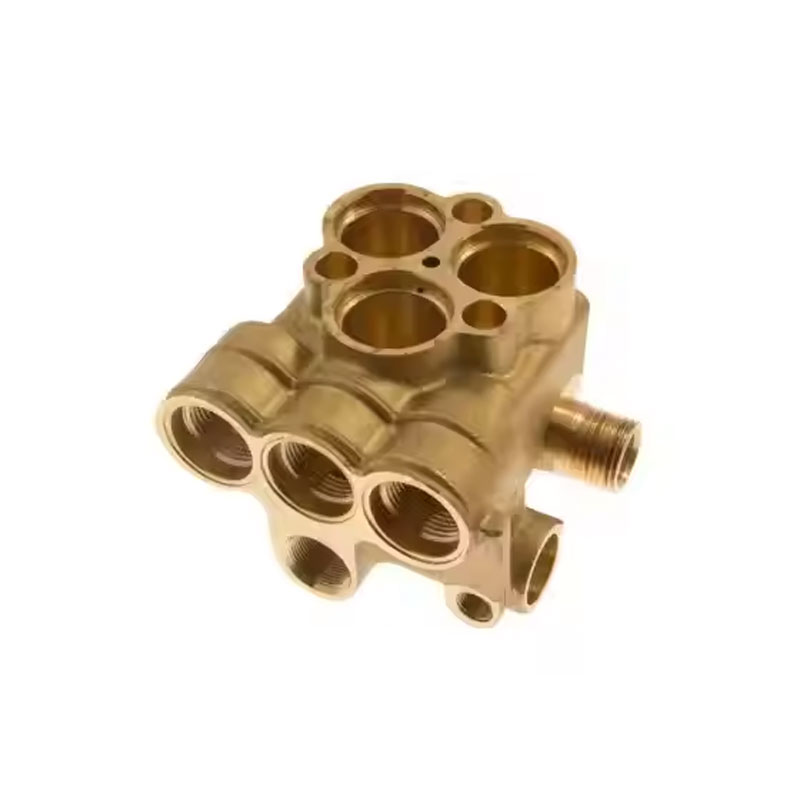
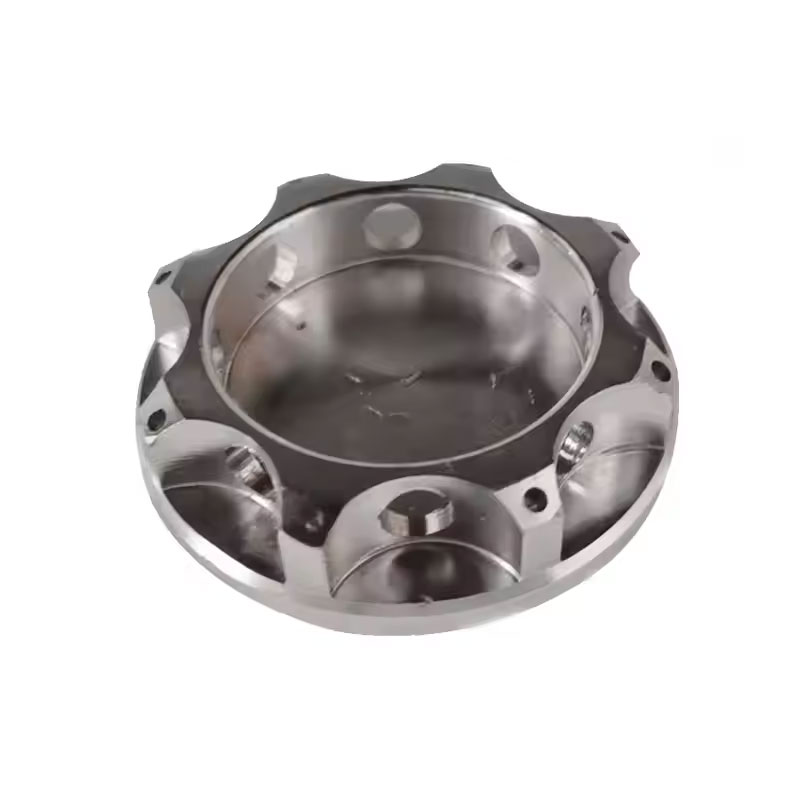
Investment Casting is often chosen for parts that are too complex, too tight-tolerance, or too “finish-sensitive” for other manufacturing routes. But many buyers still hesitate because of common pain points: unclear feasibility, unpredictable lead times, hidden tooling costs, surface defects, or worries about consistency across batches. This article breaks down how Investment Casting works, when it is (and is not) the smartest option, and how to design parts that cast cleanly with fewer revisions. You’ll also find a practical comparison table, a buyer’s checklist, and an FAQ to help you make confident sourcing decisions.
Investment Casting (also called “lost wax casting”) is a precision casting method that excels at producing complex metal parts with near-net shapes. “Near-net” means you can often get very close to the final geometry right out of the mold, which reduces secondary machining, scrap, and rework. For buyers, the value isn’t the buzzword—it’s what the process can do when you need:
If your part has curves, undercuts (within reason), thin walls, or multiple features that would require many machining setups, Investment Casting can reduce total cost even if a mold is required.
Most problems buyers face are not caused by the casting method itself—they come from mismatched expectations, incomplete drawings, or unclear control plans. Here are the pain points we see most often and how to reduce the risk from day one.
Understanding the process helps you spot where delays and defects can happen—and how to prevent them. A simplified flow looks like this:
This is why Investment Casting can be so cost-effective: the complexity is “built into” the casting rather than paid for through hours of machining.
If you want fast sampling and stable mass production, the smartest money you spend is on design decisions that make the metal flow and solidify predictably. These guidelines are broadly useful:
A practical tip: when a drawing is “all tight, everywhere,” suppliers either quote high to protect themselves or push for redesign after sampling. If you mark priority features clearly, your quote gets leaner and your schedule gets safer.
One reason buyers choose Investment Casting is material flexibility. Many industrial components require corrosion resistance, high temperature capability, wear resistance, or strength under cyclic loads. Common categories include:
Heat treatment can further improve mechanical properties—hardness, tensile strength, or impact resistance—depending on the grade and application. If you’re unsure what you need, describe the working environment (temperature, load, corrosion exposure, wear type) and your supplier can recommend suitable options.
| Method | Best For | Typical Strengths | Common Limitations |
|---|---|---|---|
| Investment Casting | Complex shapes, near-net parts, small-to-medium batches | Good detail, reduced machining, broad metal options | Tooling required, not ideal for very large parts |
| CNC Machining | Low volume, simple-to-moderate geometry, tight tolerances | Excellent precision, fast for prototypes | High material waste, expensive for complex shapes |
| Forging | High strength parts with simpler shapes | Strong grain flow, great mechanical properties | Geometry limits, more machining often needed |
| Die Casting | High-volume non-ferrous parts | Fast cycles, good repeatability at scale | Material limitations, tooling cost high, porosity concerns |
| Sand Casting | Large parts, lower tooling investment | Good for size, flexible for low volume | Rougher finish, less detail, more machining |
If you’ve been burned before, you’re not alone. Quality control should not be a vague promise—it should be a visible system. For Investment Casting, strong control plans typically include:
The practical buyer move: define acceptance criteria clearly. “Looks good” is not a standard. Specify what defects are unacceptable, where, and how they’ll be measured.
Cost in Investment Casting is usually driven by a few predictable factors:
Lead time typically includes tooling, sampling, approval, and then production. If you need speed, clarify which deadline is critical: first article samples, small pilot batch, or full production volume. Those are different schedules.
A trustworthy recommendation includes the “no” cases. Investment Casting may not be your best option if:
In these cases, a hybrid approach is common: cast near-net to capture geometry cheaply, then machine only the few precision interfaces that truly matter.
If you want fewer quote revisions and fewer surprises later, send a complete package. Here’s a checklist you can copy into your RFQ email:
When buyers provide this upfront, sourcing becomes faster, and sampling becomes smoother—because the supplier can engineer the process around what you actually care about, not guesses.
Q1: Is Investment Casting only for “high-end” parts?
Not necessarily. It’s often chosen because it reduces total cost for complex shapes. Even if the unit price looks higher than a rough casting, you may save significantly on machining time, scrap, and assembly steps.
Q2: Can Investment Casting achieve tight tolerances?
Yes, but the smartest approach is to combine sensible casting tolerances with targeted machining on critical interfaces. This keeps cost low while meeting functional requirements.
Q3: What causes porosity or internal defects?
Common causes include hot spots from uneven wall thickness, insufficient feeding during solidification, and process instability. A design review plus a controlled pouring and shell process reduces the risk.
Q4: What information is most important for an RFQ?
Material grade, quantity, critical dimensions, and any inspection/heat treatment requirements. A 3D model helps speed up feasibility evaluation and tooling planning.
Q5: How do we keep quality consistent across multiple batches?
Ask for traceability, stable process parameters, and an inspection plan that matches your risk level. Consistency is a system—records, controls, and clear acceptance criteria.
Q6: Can you help optimize our part before tooling is made?
Yes. A pre-tool design review is often the fastest way to reduce cost and avoid avoidable defects. Small geometry changes can prevent long delays later.
If you’re considering Investment Casting and want predictable quality, realistic lead times, and parts that don’t become “surprises” after machining, the fastest path is a clear drawing package plus a short description of how the part works. At Cangzhou Losier Technology Development Co., Ltd., we support buyers from feasibility review to sampling to repeat production—so your team can spend less time firefighting and more time shipping reliable products.
Send your drawings and requirements today and contact us to start a quote and design review.