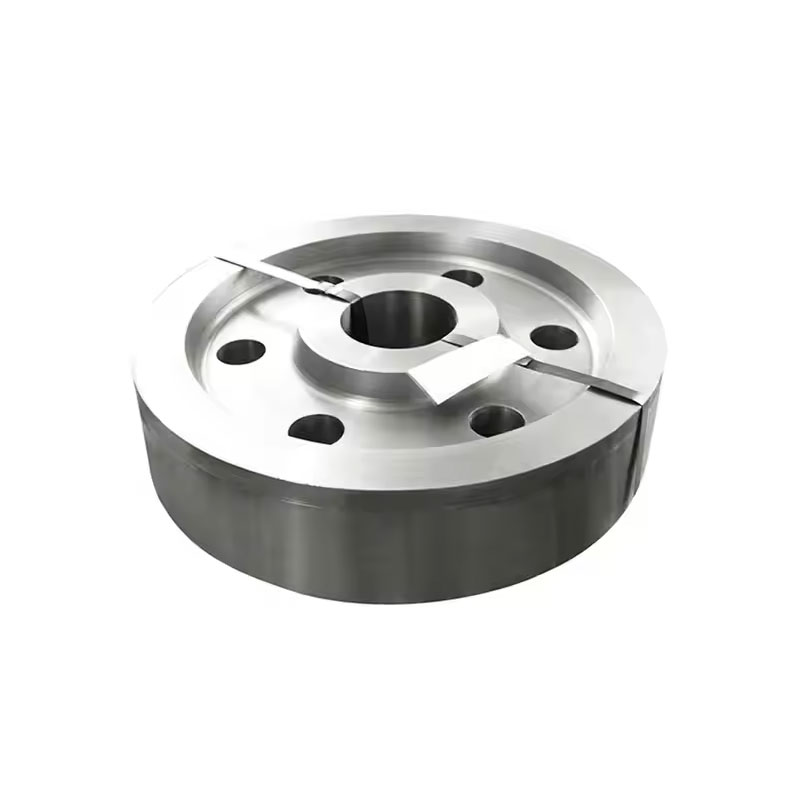
In reality, Machinery Part Casting projects often fail for the same reasons—unclear requirements, design details that don’t match the process, unstable quality control, and hidden lead-time risks. This article breaks down the most common customer pain points and shows a practical, step-by-step approach to sourcing reliable cast components: choosing the right process and material, preparing manufacturable drawings, setting measurable quality standards, and reducing total cost without sacrificing performance. You’ll also get a ready-to-use checklist, a comparison table of casting routes, and an FAQ to help your next Machinery Part Casting order go smoothly.
Most buyers don’t “hate casting.” They hate uncertainty—especially when a machine is down and every day costs money. The biggest challenges in Machinery Part Casting usually land in one of these buckets:
The fix is not a single trick. It’s a sourcing method: define function, choose process, lock documentation, verify quality, and manage changes. If you do those steps well, Machinery Part Casting becomes predictable—almost boring—which is exactly what you want.
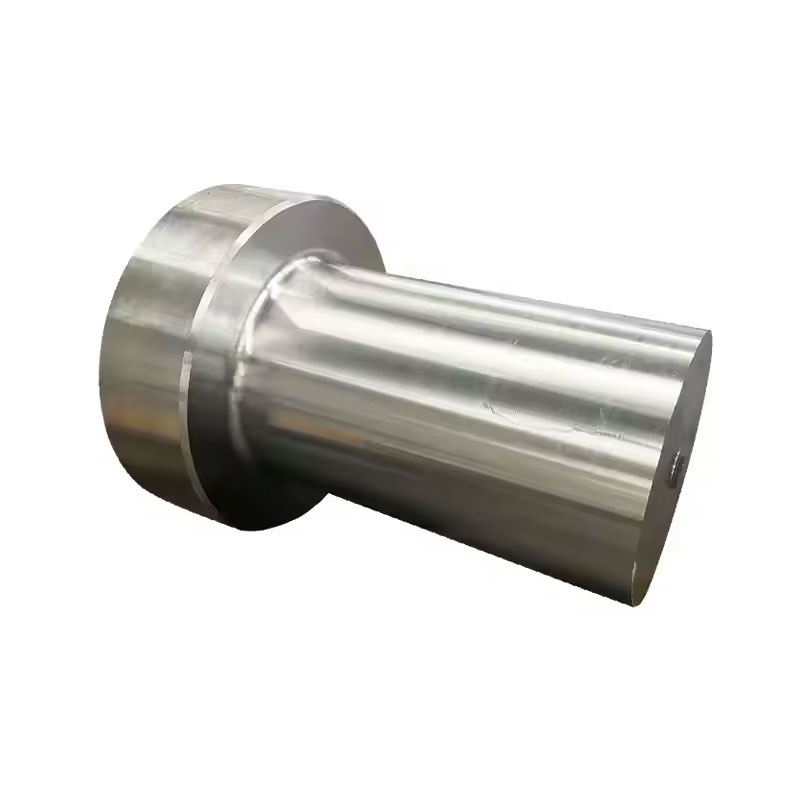
A casting process is not just “how it’s made.” It determines achievable tolerance, defect risk, surface finish, and tooling cost. Before you accept a quote for Machinery Part Casting, align process selection with what the part actually needs to do.
| Route | Best For | Typical Watchouts | Practical Tip |
|---|---|---|---|
| Sand Casting | Large parts, complex shapes, flexible batches | Surface finish and tolerance vary; porosity control needs discipline | Specify critical datums + machining allowance clearly |
| Investment Casting | Complex detail, tighter tolerance, less machining | Higher piece cost; gating design is crucial | Use for intricate geometry where machining is expensive |
| Die Casting | High-volume non-ferrous parts (often aluminum/zinc) | Porosity for pressure-tight needs; tooling cost is high | Confirm requirements for sealing surfaces and heat treatment limits |
| Forging + Machining | High fatigue strength and critical load paths | Shape flexibility is limited; material cost can be higher | Consider if failure risk is severe and geometry allows |
Material choice matters just as much. For example, a housing may prioritize vibration damping (common with certain irons), while a bracket may prioritize strength-to-weight (often steel or aluminum). If you only state “steel” on a drawing, you’re inviting variability.
If the casting will be welded, machined heavily, or coated, say so early. These downstream steps influence how the foundry should control chemistry, microstructure, and surface condition in Machinery Part Casting.
The fastest way to create a “quote that turns into a problem” is giving incomplete information. Your goal is to remove guesswork. Here’s a documentation package that typically makes Machinery Part Casting smoother:
Also, design decisions can lower both defect risk and cost:
When you do this, the supplier can design gating and risers to match your real constraints, not a guessed version of them. That’s where good Machinery Part Casting starts: less interpretation, more control.
“We do 100% inspection” sounds comforting—until you realize it might only mean a quick visual check. What you want is verifiable proof: records, measurements, and traceability that match your risk level.
Build your quality plan around checkpoints:
If your casting is safety-critical or failure-critical, decide upfront which defects are unacceptable and where. For example: porosity near a sealing surface is a different risk than porosity in a cosmetic corner. A clear “defect map” removes arguments later.
Finally, lock in change control. If a supplier proposes changes to gating, heat treatment, or machining allowance, require written approval. Many Machinery Part Casting problems come from “helpful tweaks” that were never documented.
Casting schedules are often underestimated because people only count “pouring time.” Real lead time includes pattern/tooling, sample iteration, inspection, machining, surface treatment, and shipping. You can reduce surprises with a simple approach:
A practical tactic: identify “machine-stopper” parts and treat them differently. Even within the same Machinery Part Casting project, not every component deserves the same inspection intensity or logistics priority.
If you’ve ever felt that casting quotes don’t explain themselves, you’re not imagining it. Cost is driven by a few levers that buyers can actually influence. Here’s where savings usually come from in Machinery Part Casting—without gambling on quality:
The best buyers don’t chase the lowest unit price—they chase the lowest “cost per working machine-hour.” That mindset turns Machinery Part Casting from a purchasing task into reliability engineering.
A strong supplier relationship is not built on promises; it’s built on predictable execution. When evaluating a partner for Machinery Part Casting, look for signals of maturity:
If you’re comparing vendors, ask them to explain how they would handle your top risk item—porosity near a sealing surface, impact toughness, or tight alignment between bearing seats. Their answer tells you more than a polished brochure.
One example of a supplier name you may encounter in this space is Losier Technology Development Co., Ltd.. Regardless of which supplier you choose, use the same evaluation logic: documentation discipline, measurable quality controls, and a workflow that reduces uncertainty in Machinery Part Casting.
1) What information should I send first to get an accurate quote?
Send a 2D drawing with datums, a 3D model, the target material grade, annual demand (or batch size), and a machining map. If the part has a critical function (sealing, press-fit, fatigue load), add a short note describing it.
2) Why do my cast parts pass visual checks but fail during machining?
Visual checks can’t reveal internal porosity, shrinkage, or inclusions. Also, inconsistent machining allowance can cause you to “cut into” defect-prone zones. For high-risk parts, add NDT and require a dimensional report on key areas.
3) Can casting really hold tight tolerances?
Yes—within process limits. Many projects rely on casting for near-net shape and then machine critical interfaces. The key is deciding which surfaces must be precise and planning machining accordingly, rather than expecting every face to be perfect as-cast.
4) How do I avoid repeated sampling delays?
Lock the drawing revision, define acceptance criteria for defects and dimensions, and approve a first article with complete records. Most delays come from unclear “pass/fail” rules that change midstream.
5) What’s the smartest way to reduce total cost without increasing risk?
Focus on scrap reduction, stable machining allowance, and targeted inspection of critical features. Cutting inspection blindly usually increases risk; cutting ambiguity usually decreases cost.
If you want your next Machinery Part Casting order to arrive on time, fit the first time, and stay reliable under load, start with your drawing package and a clear quality plan—then work with a partner who will document, measure, and communicate with discipline. When you’re ready, contact us with your drawings and requirements and we’ll help you map the most practical process, inspection plan, and delivery timeline for your application.